By Danielle Smith, Keystone State News Service
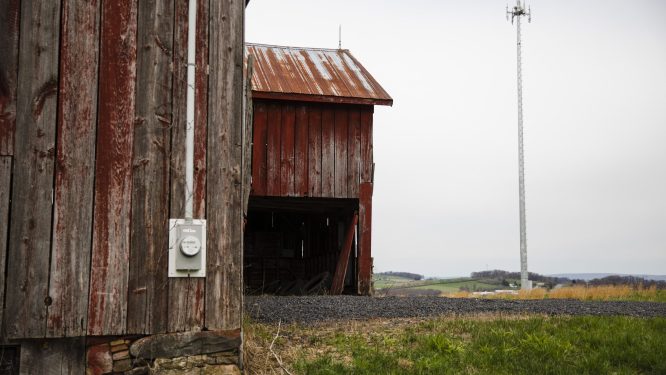
Pictured above: Supplemental rebates offer an extra $190 to $500 for Pennsylvanians with the greatest need. They’re automatically issued to homeowners making $31,010 or less whose property taxes exceed 15% of their income, and to qualified residents in Philadelphia, Scranton, and Pittsburgh. (N Lawrenson/Adobe Stock)
Pennsylvania residents have been given an extension until Dec. 31 to apply for rebates on property taxes or rent paid in 2024, offering more time to claim financial relief.
To qualify, residents must have owned or rented a home in the state last year and have a yearly salary of less than $46,520.
Bill Johnston-Walsh, state director of AARP Pennsylvania, said that the program supports older adults 65 and up, widows and widowers over 50, and Pennsylvanians with disabilities 18 and older living on low or fixed incomes. He noted that it is the first major update to the program since 2006, allowing more people to access the rebates.
“There’s going to be 175,000 more Pennsylvanians that are now eligible for this property tax and rent rebate program here in 2025,” Johnston-Walsh explained. “Last year, the program distributed over 522,000 rebates, totaling almost $320 million.”
Johnston-Walsh pointed out that income thresholds for rebate eligibility will adjust with the cost-of-living changes, providing a safety net to protect recipients. He added that several application options are available from the Pennsylvania Department of Revenue, including online, in-person, by phone, or by mail.
Johnston-Walsh reported that AARP, alongside Gov. Josh Shapiro and bipartisan lawmakers, successfully advocated for a significant extension of the property tax and rent rebate program, which helps the organization’s more than 1.8 million members and other older adults remain in their homes.
“The rebate has gone up from $650 to a $1,000 limit, and what’s going to happen is that they also approved that after this year, the income limits now grow with inflation, so they’re not going to be stagnant anymore,” the Pennsylvania Department of Revenue outlined. “That $1,000 will be growing in the out years.”
Johnston-Walsh added that people who have spent their lives working to afford a home or keep up with rent rely on the program as a crucial lifeline. He noted that with affordable housing a top concern for older Pennsylvanians, rising costs make the state’s property tax and rent rebate program essential for their financial security and independence. The Keystone State is home to almost 3.5 million people age 60 and older.
You Might Also Like