By Luisa Coporan, fellow with Barrio Alegría Environmental Advisory Council and the City of Reading
We receive different types of messages every day; however, when Mother Nature speaks, we must listen carefully, as she sometimes manifests herself through powerful natural phenomena that can change our daily routines.
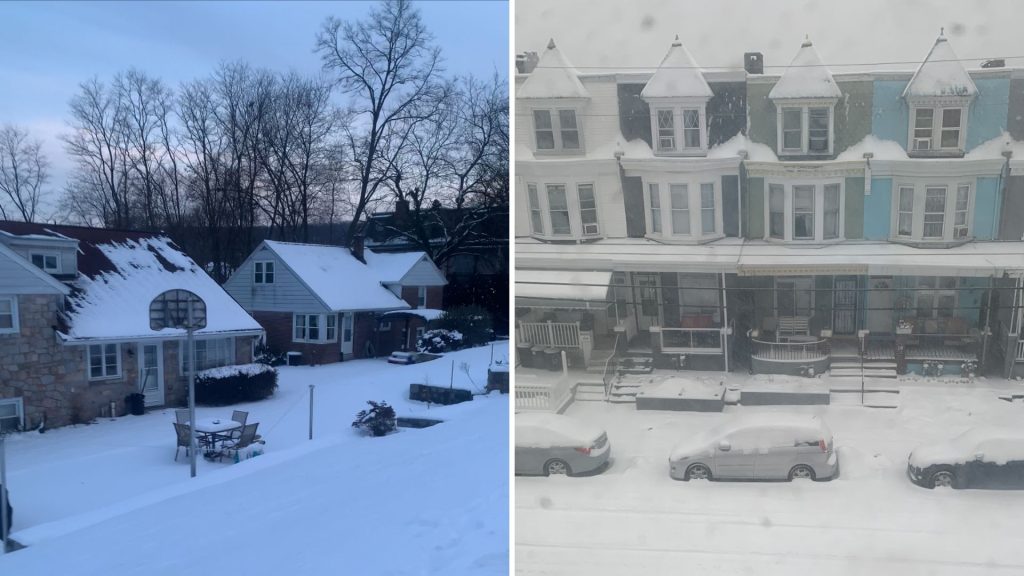
A clear example is the snowstorm we experienced in our area in recent days, and the low temperatures that have characterized the month of January.
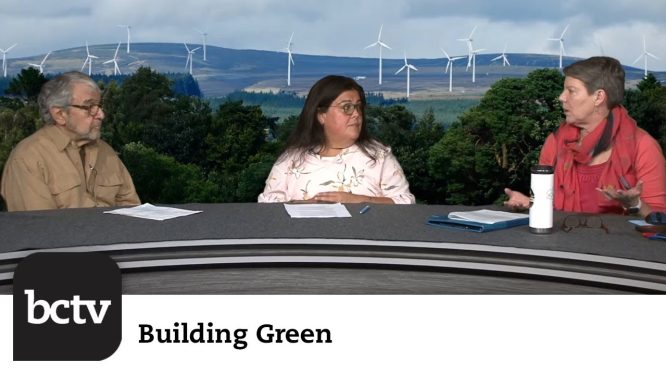
Bethany Ayers-Fisher is the sustainability manager for Reading Public Works and also a member of the city’s Environmental Council. She pointed to recent frustrations about parking during snowfall as a perfect example of how “the loss of parking due to snow accumulation, and the loss of access to sidewalks due to inadequate snow and ice removal,” are among the main challenges the city faces in part due to climate change, Ayers-Fisher said. “If a lot of snow falls followed by warmer temperatures, we can end up with flooding in streets and rivers.”
These and other manifestations of nature are due to not only the change in the seasons but also to climate change, a phenomenon that can have natural causes, but which, according to scientists, has been influenced by human activity since the 18th century, especially by the burning of fossil fuels and pollution.
Ayers-Fisher stated that “climate change is causing a disruption in flowering times, because if we have a mild winter, trees may bud earlier, and if there is then a frost, the buds can die. This can reduce the production of fruits and other crops.”
Another member of this council, William Vitale, urged that “each of us must reduce our carbon footprint and encourage our civic, business, and political leaders to take action as well. We need to own and drive the most fuel-efficient vehicles possible.”
Vitale called for reducing the environmental footprint by using public transportation and limiting air travel, as well as living close to amenities and public transport to decrease dependence.
The members of the Reading City Environmental Council, concerned about this situation, called on the public to help with cleanup efforts and work to reduce pollution in the city to prevent future environmental problems.
Entre la nieve y el frío extremo, surge llamado de urgencia para detener la contaminación
A diario recibimos diferentes tipos de mensajes, sin embargo, cuando la madre naturaleza alza la voz, debemos escuchar con atención, ya que a veces se manifiesta a través de poderosos fenómenos naturales que pueden cambiar nuestras rutinas diarias.
Un claro ejemplo es la tormenta de nieve que sufrimos en nuestra zona en los últimos días y las bajas temperaturas que han caracterizado el mes de enero.
Bethany Ayers-Fisher, gerente de sostenibilidad de Obras Públicas de Reading y miembro del Consejo de Medioambiente de la ciudad, señaló las recientes frustraciones con el estacionamiento durante las nevadas como un ejemplo perfecto de cómo “la pérdida de estacionamiento debido a la acumulación de nieve y la pérdida de acceso a las aceras, debido a la inadecuada remoción de nieve y hielo, se encuentran entre los principales desafíos que enfrenta la ciudad, en parte debido al cambio climático,” dijo Ayers-Fisher. “Si cae mucha nieve seguida de temperaturas más cálidas, podemos terminar con inundaciones en calles y ríos.”
Estas y otras manifestaciones de la naturaleza se deben no solo al cambio de estaciones, sino también al cambio climático, un fenómeno que puede tener causas naturales, pero que, según los científicos, ha sido influenciado por la actividad humana desde el siglo XVIII, especialmente por la quema de combustibles fósiles y la contaminación.
Ayers-Fisher afirmó que “el cambio climático está alterando la época de floración, ya que si tenemos un invierno suave, los árboles pueden brotar antes, y si hay heladas, los brotes pueden morir. Esto puede reducir la producción de frutas y otros cultivos.”
Otro miembro de este consejo, William Vitale, instó a que “cada uno de nosotros debe reducir su huella de carbono y animar a nuestros líderes cívicos, empresariales y políticos a que también actúen. Necesitamos poseer y conducir los vehículos más eficientes en combustible posible.”
Vitale hizo un llamado a reducir la huella ambiental mediante el uso del transporte público y la limitación de los viajes en avión, así como a vivir cerca de los servicios y del transporte público para reducir la dependencia del automóvil.
Los miembros del Consejo Ambiental de la Ciudad de Reading, preocupados por esta situación, hicieron un llamado a la ciudadanía para colaborar con los esfuerzos de limpieza y trabajar para reducir la contaminación en la ciudad para prevenir futuros problemas ambientales.