By Danielle Smith, Keystone State News Service
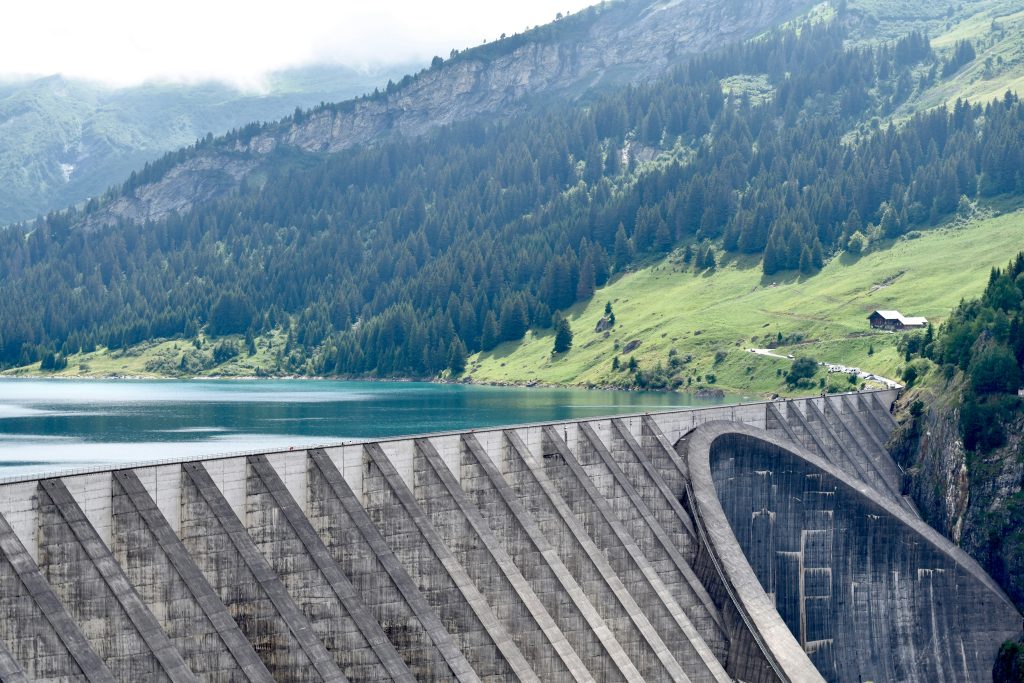
Photo courtesy of Anthony Da Cruz on Unsplash
Pennsylvania is a leader among the 30 states boosting river health and safety by removing outdated dams.
In 2025, nationwide efforts reconnected nearly 4,900 miles of rivers, the largest amount ever restored in a single year.
Jessie Thomas-Blate, director of river restoration for the environmental group American Rivers, said there have been 433 dams removed in Pennsylvania since 1912, including 14 last year, the most of any state. She noted removals can be done for various reasons.
“Some of them were done for ecological reasons. Some of them were done to benefit public safety. Some of them were removed because the dams were just falling apart and needed to come out of the river,” Thomas-Blate outlined. “There’s different motivations behind the project, but ultimately, they all benefit the health of the river and the sustainability of the communities that they’re in.”
According to American Rivers, more than a quarter of the dams removed were dangerous low-head dams, often referred to as “drowning machines.” In August 2025, Pennsylvania removed two outdated low-head dams on the Juniata River, reopening more than 156 miles of connected waterways.
Thomas-Blate pointed out that dam removal projects start with scientific analysis. Groups like American Rivers often use specific tools to identify priority dams, such as the Chesapeake Fish Passage Prioritization Tool, which maps dams across the Chesapeake Bay watershed.
“You can see where all of the dams are that we know locations of,” Thomas-Blate underscored. “That is a tool where you can take a look at which dams, if you were to remove them, might have the greatest ecological benefit for, say, migratory fish or eastern brook trout.”
She added another resource, AquaticBarriers.org, which lists a national inventory of dams with different data points. Users can analyze high‑hazard dams, filter by state or county, and weigh factors like safety risks or infrastructure value.
Blate emphasized that cities, state agencies, or private individuals can use the information to help decide whether the dam is still useful or a costly liability.
References:
You Might Also Like