From Pennsylvania Department of Conservation and Natural Resources, Pennsylvania Department of Transportation
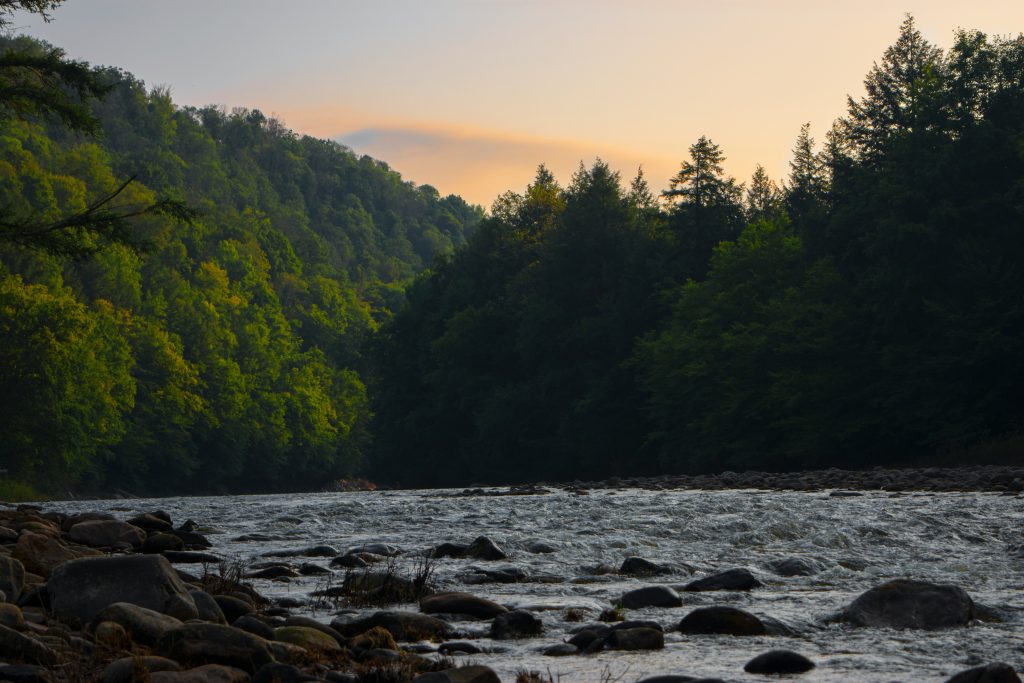
Photo courtesy of Alex Moliski on Unsplash
The Shapiro Administration recently announced the launch of the Pennsylvania Wildlife Connectivity Work Group, a first-of-its-kind statewide partnership that will develop a comprehensive strategy to reduce wildlife-vehicle collisions, improve public safety, reconnect fragmented wildlife habitat, and guide future transportation and conservation investments across the Commonwealth.
Co-led by the Pennsylvania Department of Conservation and Natural Resources (DCNR) and the Pennsylvania Department of Transportation (PennDOT), the work group will bring together 11 state agencies to identify priority wildlife corridors, recommend strategic infrastructure improvements, and create Pennsylvania’s first statewide wildlife connectivity plan using science-based data and mapping.
Pennsylvania ranks fifth in the nation for wildlife-vehicle collisions, making the initiative an important investment in both roadway safety and conservation. PennDOT recently secured an $840,000 federal Wildlife Crossings Pilot Program grant to support development of the strategic plan.
“Protecting Pennsylvania’s natural resources and keeping travelers safe go hand in hand,” said PennDOT Secretary Mike Carroll. “This new work group will help us make smart, data-driven investments that reduce wildlife-vehicle collisions, improve transportation infrastructure, and protect the habitats that make Pennsylvania special.”
“Healthy, connected habitats are essential to sustaining Pennsylvania’s wildlife and outdoor recreation economy,” said DCNR Secretary Cindy Adams Dunn. “By working across agencies, we’re creating a statewide strategy that will better protect wildlife, strengthen our public lands, and help ensure future infrastructure projects support both conservation and community needs.”
The strategic plan will identify opportunities to improve wildlife movement across roads, streams, forests, and other landscapes while helping prioritize future investments in wildlife crossings, habitat restoration, and transportation infrastructure. The effort builds on House Resolution 87 (2023), which called for a coordinated statewide approach to conserving wildlife corridors.
The Work Group includes representatives from the following state agencies:
- Department of Agriculture
- Department of Conservation and Natural Resources
- Department of Community and Economic Development
- Department of Environmental Protection
- Pennsylvania Fish and Boat Commission
- Pennsylvania Game Commission
- Pennsylvania Historical and Museum Commission
- Pennsylvania Department of General Services
- Department of Insurance
- Department of Transportation
- Pennsylvania Turnpike Commission
The initiative builds on work already underway across the Commonwealth. PennDOT has incorporated wildlife accommodations into major transportation projects in Armstrong, Butler, Somerset, and Centre counties, while DCNR has invested millions of dollars to reconnect habitats, remove barriers to fish passage, restore streams, protect forests, and conserve more than 17,000 acres of critical habitat since Governor Shapiro took office.
The statewide strategy will serve as a blueprint for future investments that improve roadway safety, strengthen wildlife habitat, support biodiversity, and ensure Pennsylvania remains a national leader in conservation and outdoor recreation.
What Pennsylvania’s conservation leaders are saying
“The Nature Conservancy applauds this important interagency effort to improve habitat connectivity and public safety. The more we help nature move, the safer and stronger our communities become,” said Lori Brennan, Executive Director of The Nature Conservancy in Pennsylvania and Delaware. “Pennsylvania plays a critical role in connecting wildlife across the Appalachians, a globally important region for biodiversity and species movement. This effort builds on important conservation successes such as our 2025 partnership with the Pennsylvania Department of Conservation and Natural Resources’ Bureau of Forestry to expand Gallitzin State Forest by adding 279 acres, which included rare grassland bird habitat, highlighting the value of collaboration among agency and conservation partners.”
“We are thrilled that Governor Shapiro recognizes the importance and usefulness of ecological connectivity. DCNR and PennDOT in particular have demonstrated both initiative and stewardship to get Pennsylvania to this point,” said Anthony Bastian, co-founder of the Pennsylvania Habitat Connectivity Group. “With this leadership structure in place, Pennsylvania can advance a strategic approach to prioritizing and linking important wildlife habitats. Well-connected habitats foster resilient wildlife populations, including common, game, and threatened species.”
“PennEnvironment thanks the Shapiro administration for championing a whole-ecosystem approach to protecting Pennsylvania’s wildlife and appreciates DCNR Secretary Cindy Adams Dunn and PennDOT Secretary Mike Carroll for leading this new initiative,” said Stephanie Wein, PennEnvironment Research & Policy Center’s clean water & conservation advocate. “This innovative interagency approach will help reduce dangerous, costly animal-vehicle collisions, improve habitat for vulnerable native species, reconnect the commonwealth’s lands and waterways, and improve the health of Pennsylvania’s ecosystems.”
“Pennsylvania has made good strides in protecting wildlife habitats throughout the state,” said Andy Loza, Executive Director of WeConservePA. “It is exciting that the Commonwealth is now thoughtfully moving toward connecting these habitats for the health and survival of our rich diversity of wildlife.”
Progress on wildlife habitat connectivity
Most recently, in 2025, PennDOT incorporated a floodplain bench – which provides gradual elevation changes within a floodplain – to assist with water flow and allow mammals to pass under a bridge included in the Route 422 Margaret Road Intersection project in Armstrong County. Additionally, PennDOT:
- Plans to include wildlife walkways under the Route 528 bridge over Big Run in Butler County when it begins construction in 2028.
- Has studied and is reviewing how to accommodate animal crossings in its U.S. 219 from Meyersdale to Old Salisbury Road project in Somerset County.
- Is considering wildlife and aquatic passage as well as habitat connectivity while designing the State College Area Connector project in Centre County.
DCNR has advanced habitat connectivity projects across the Commonwealth, including a flagship naturalistic fish passage at Shikellamy State Park, along the Susquehanna River, that now allows fish to migrate upstream and bypass the inflatable dam. Since 2023, the Shapiro Administration has:
- Funded $33 million through the Community Conservation Partnership Program to permanently protect over 17,360 acres of critical habitat.
- Funded 72 forest and multi‑function buffer projects, investing more than $21 million to protect over 1,110 acres of habitat and strengthen wildlife connectivity by restoring riparian corridors and creating native meadow and forest “stop‑over” habitat across the landscape.
- Opened up 46 miles of stream by removing three dams and replacing 21 culverts. There are 13 dam removals and 18 stream crossing replacements currently in design.
- Enhanced shoreline and stream habitats across state parks by installing habitat structures, removing dams to restore aquatic passage, stabilizing more than 6,800 feet of riverbank, improving floodplain connectivity, and advancing fish habitat restoration in partnership with the Pennsylvania Fish and Boat Commission and conservation organizations.
- Completed stewardship projects at 40 state parks to improve forest health and resilience.
To learn more about the Pennsylvania Wildlife Connectivity Work Group and find updates, visit the Commonwealth’s website, where the Work Group will share information throughout the strategic planning process.