From State Farm
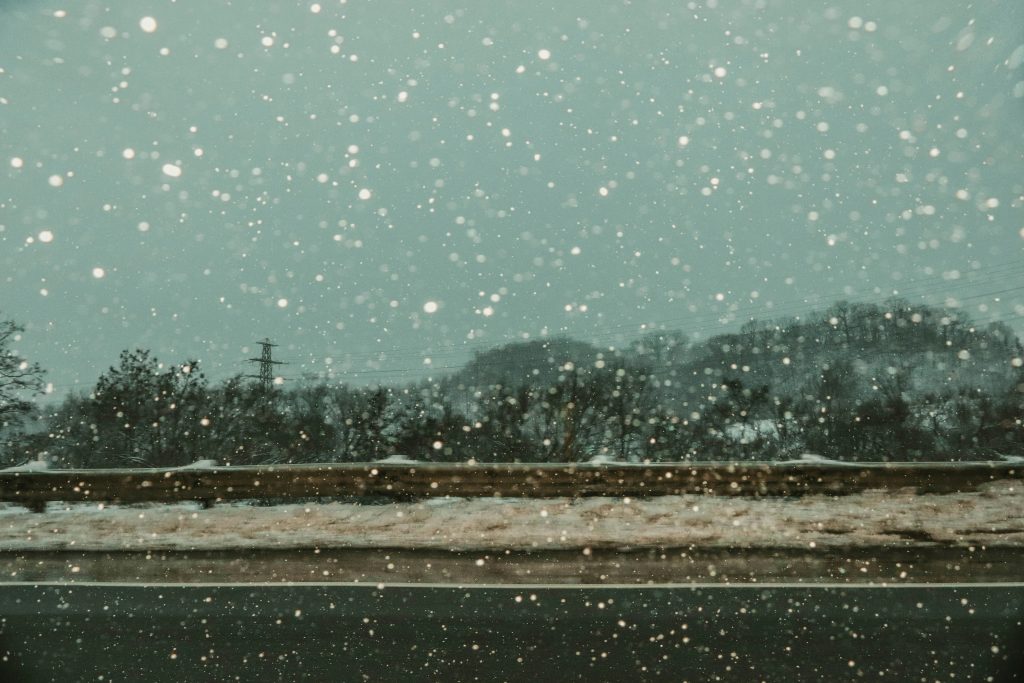
Photo courtesy of DESIGNECOLOGIST on Unsplash
State Farm® knows how devastating it can be when your vehicle is damaged while driving in hazardous conditions. Drivers are encouraged to prepare now and take steps to prep their vehicle and to drive safely.
According to the U.S. Department of Transportation, more than 70 percent of the nation’s roads are located in snowy regions. Now is the perfect time to take these steps to prepare for winter driving.
Icy conditions
When the roads are icy, you need to avoid making sharp turns or corrections and slamming on the brakes, which could cause skidding. When approaching a hill, wait until the vehicle in front of you has reached the top before you start up. Drive steadily up the hill, but avoid going too fast, which could cause you to swerve.
Snowy weather or snow-covered roads
When the streets have snow on them, you won’t be able to stop or maneuver as quickly. When you see snow on the roads, here are some steps to take.
- Approach intersections slowly and brake gently to avoid skidding. If you slide, turn your steering wheel in the direction your vehicle is sliding.
- Avoid using cruise control.
- Drive slower than usual and double the usual distance between your vehicle and the one in front of you.
- Avoid the impulse to brake hard. Instead, ease off the accelerator, slowly tap the brakes to slow momentum, and eventually come to a complete stop.
Black ice
When snow melts during a warm winter day but freezes again overnight, something termed black ice can form. It’s not actually black — just a very thin, shiny-looking sheet of ice that’s often difficult to detect. When you think there may be black ice, you should, if possible, delay driving until temperatures warm. Otherwise, drive at slower-than-posted speeds and increase your following distance.
Drifting snow
When you encounter drifting snow, getting off the road until conditions improve should be your first goal. Until you can do that, turn your headlights on low, which will increase your visibility to others, and try to follow in other drivers’ tracks. If possible, pull over safely or exit, turn your hazards on, and wait to resume your drive until the wind and snow decrease. Make sure you have a well-stocked emergency kit that’s easily accessible.
Stay smart
In any bad weather situation, if you feel that you can’t safely drive any further, pull off the road out of traffic. Contact the local authorities for help getting the weather forecast, deciding on alternate routes, or getting to a safe place until weather conditions improve. If the forecast shows no signs of improving, try to find a spot to stay put for an hour or two.
What’s in the trunk?
Standing along a cold road waiting for help or even sitting in a vehicle that won’t start can quickly become an uncomfortable and even life-threatening experience. Don’t forget to check your emergency road kit and replace trunk contents for winter weather.
You Might Also Like