Pennsylvania environmental groups said the Environmental Protection Agency is making a bold move in tackling methane leaks in oil and gas production, with new rules mandating an 80% reduction in emissions.
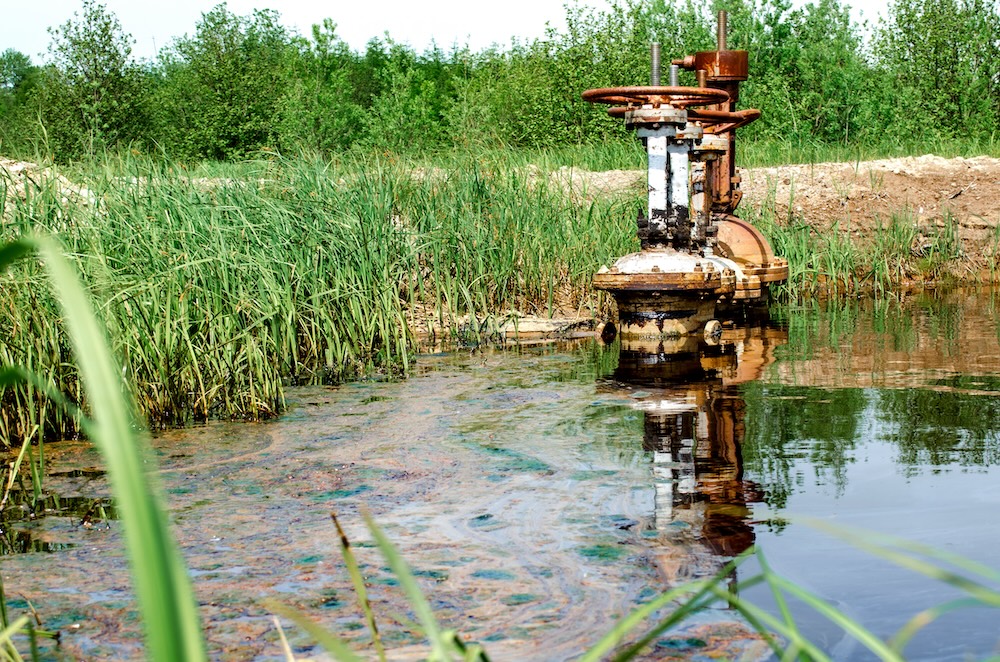
Oil and gas companies will have to inspect pipelines for leaks and phase out routine burning of methane, known as flaring, from wells.
Tom Schuster, director of the Pennsylvania chapter of the Sierra Club, said the new rule includes a “Super Emitter Program” allowing third parties to detect and report methane releases from oil and gas sites. He contended it is important in Pennsylvania, where emissions are already a major concern.
“Total methane emissions are estimated to be about 1.1 million tons annually, just in Pennsylvania,” Schuster pointed out. “We’re the second-largest gas producer in the country. And fracking gets a lot of attention, and it produces the majority of gas in Pennsylvania. But the majority of methane leakage actually comes from the so-called conventional gas industry.”
Schuster emphasized Pennsylvania law requires smaller wells to be regulated separately from fracked wells. He praises the federal government’s sweeping requirement for leak detection and repair, regardless of a well’s size or age, as a critical step toward safeguarding public health and the climate.
Flora Cardoni, field director for the advocacy group PennEnvironment, noted methane pollution is a potent greenhouse gas, more powerful in terms of warming than carbon dioxide, and a major contributor to the climate crisis. She called the new protections “a breath of fresh air,” helping to minimize the risks to people’s health and the environment.
“More than 1.2 million Pennsylvanians live within a half mile of an oil and gas well, and so those folks are very close to this methane pollution and to toxic air pollution that’s being released by these wells,” Cardoni emphasized. “Those pollutants are known to worsen asthma and other respiratory diseases, increase the risk of developmental problems, cause cancer and immune [system] damage.”
It is estimated between 2024 and 2038, the new EPA standards will reduce methane emissions from sources by 80%. Cardoni added the tougher standards should also help create more jobs in the clean energy economy.
You Might Also Like
Berks County: Upcoming Road Work