From Capital Blue Cross
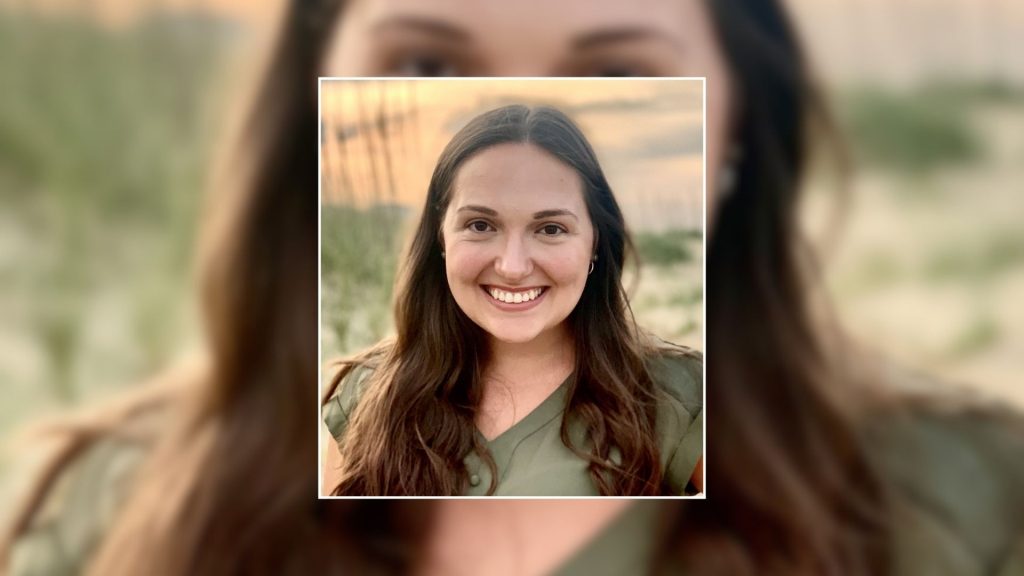
Pictured above: Kelsey Henry.
The food you eat does more than fill you up – it can fuel healing, reduce the risk of disease, and transform your health.
But understanding how nutrition affects your body is not always easy. Kelsey Henry learned that early on, during a college nutrition class that altered the direction of her career.
While many of her fellow nursing students found the material overwhelming, Kelsey felt excited and wanted to learn more.
That one class – and an encouraging professor – inspired Kelsey to become a registered dietitian, combining her passion for healthcare and nutrition. Because sometimes, the best medicine starts in the kitchen.
How do you become a dietitian?
For many people, food choices can be emotional and complicated. Registered dietitians help simplify food, using sound scientific research, nutrition, and behavioral science to guide you through the necessary dietary changes that can support overall health and help manage certain conditions.
Some dietitians work alongside doctors and nurses. Integrating the right diet and modern healthcare practices can be a powerful approach to fight disease.
To become a registered dietitian, Kelsey earned bachelor’s and master’s degrees in nutrition, interned at a hospital, passed a board exam, and obtained federal and state licenses. She worked at hospitals in Pennsylvania and New Jersey, often caring for patients “at their sickest” moments.
“At that point, they didn’t have the capacity to work on lifestyle changes,” she said. “When the opportunity at Capital Blue Cross came up, I felt like it was a chance to work with more individuals before their conditions grew that serious.”
How can a dietitian address your health concerns?
Healthy eating habits can support wellness and may help reduce the risk of certain health conditions. For example, nearly 20% of people with high blood pressure can be treated with diet and lifestyle changes alone.
Still, changing your diet can seem overwhelming when facing the pressure of a new medical diagnosis or worsening condition. Kelsey sees her job as part teacher, part coach.
“The biggest misconception is that they have to overhaul everything all at once,” Kelsey said. “A lot of people tend to see the beginning and then the finish line. They do not see the little goals that they need to do to get there. I try to make it simpler for them – say, ‘What are the one or two things that you can do to start?’ Then it becomes a little more obtainable for them.”
Kelsey typically consults members through the Capital Blue Cross Care Management program. Many of the members have just received a diagnosis and are highly motivated to make a change – but lack the knowledge that’s needed to do it.
Kelsey recalls a consultation with a member who was just diagnosed with diabetes. The member’s doctor told her to lose weight and “avoid carbs.”
Does “avoid carbs” mean cut carbohydrates completely out of your diet? Because certain carbs offer important nutrients for good health, Kelsey was able to educate the member about taking a more nuanced approach.
“I don’t just give people information; I try to help empower them to feel more comfortable in the food decisions they make,” Kelsey said. “A lot of people have a complicated relationship with food. I want them to be educated and feel more in control. That is why I don’t necessarily tell them what to eat; I educate them, and then we work together to come up with a plan.”
You Might Also Like

Thinking Outside the Box

Cozy Holiday at Home | Gentle Living w/ Terri Gentile