By Amelia Fortunato, Alvernia University, Community News Lab
A 2017 report published by the National Library of Medicine found nearly 40% of autistic adults were unemployed. The Positively Produced Foundation, a nonprofit founded in January 2023 by Claire Malfaro, a mental health professional and mother of an autistic son, is seeking to fix this problem.
“I’m excited at the prospect of implementing change that I have been able to see in my child’s life,” Malfaro said.
Malfaro’s son, Michael, is one of the autistic people who struggled to find a job. He was diagnosed at the age of 7 at Lehigh University. Michael attended Reading Area Community College (RACC) for two years, moving on to study professional writing at Kutztown. He graduated on the Dean’s List with honors, and yet still had a difficult time finding employment post-graduation.
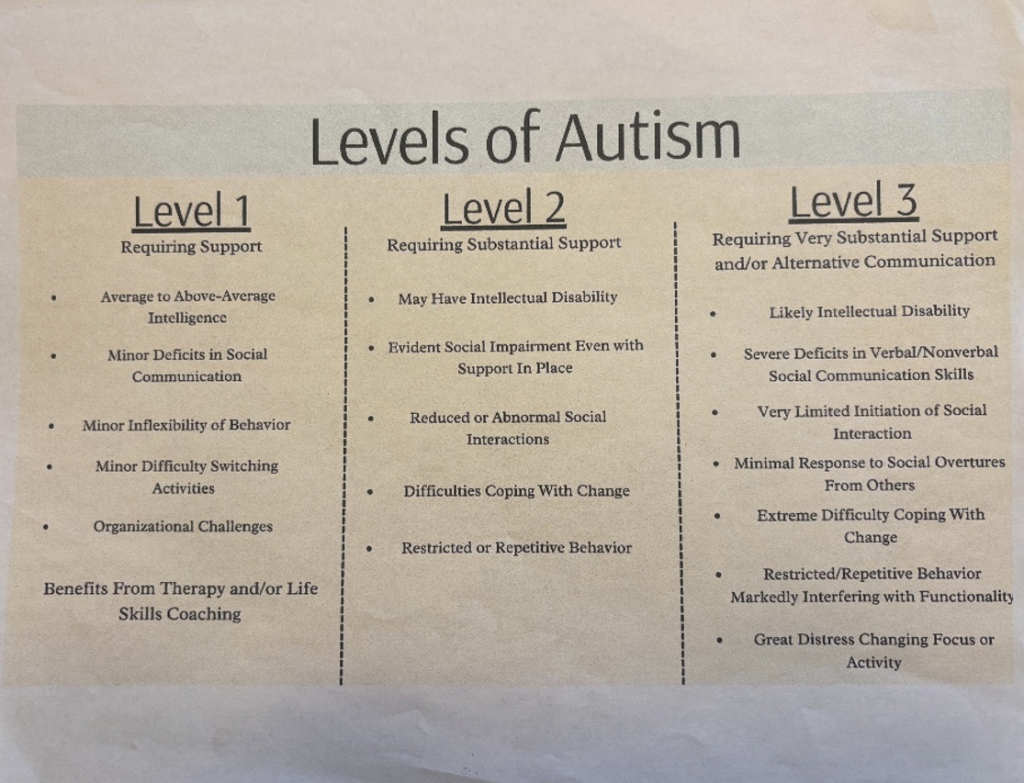
“You get to be 21 years old, and you might have had a lot of services, good services, and suddenly … the services are either lacking, or they’re not specialized to people who have, in particular, level one autism,” Malfaro said.
Level one autism is the “mildest” form of autism and is seen as autism without an intellectual disability.
Malfaro has seen many qualified autistic adults struggle to find jobs. Specifically, she noted a specific case with one of their candidates, Reed, who graduated with a Bachelor of Science in IT from Kutztown with honors. Today, Reed is moving carts at a local grocery store.
“We’ve got unemployability, but we also have what’s called underemployability,” Malfaro said. The Bureau of Labor Statistics classifies underemployment into two different categories: marginally attached workers and those employed part-time for economic reasons. Malfaro is mostly speaking of those employed part-time, who may have skills above the work they are doing.
The Positively Produced Foundation does so much more than just help autistic adults find long-term employment, such as combating harmful stereotypes about people on the spectrum. Malfaro often gives presentations at conferences for organizations such as SHERM, the Society of Human Resources Managers.
She said that people are often surprised to learn that people considered stereotypically successful, such as Bill Gates, the co-founder of Microsoft, and Susan Boyle, a popular singer, are autistic adults.
“Teaching as a result of ignorance is the first step of advocacy,” Malfaro said.
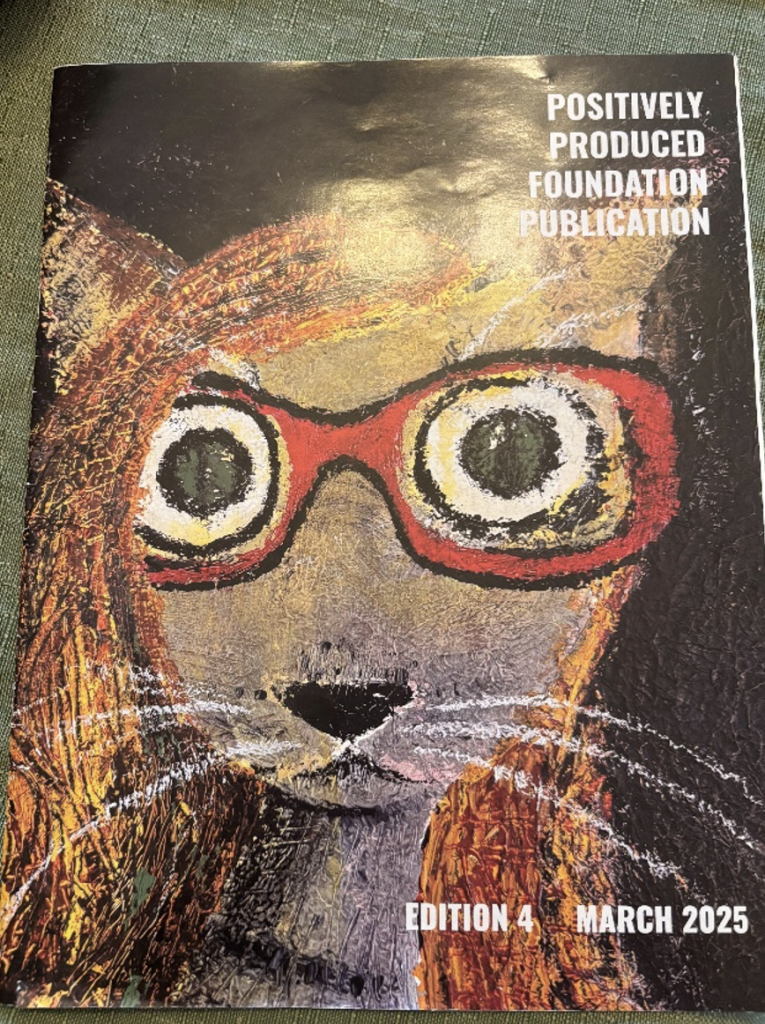
One notable thing the Positively Produced Foundation is doing is putting out a publication of artwork and writing by autistic adults. The formatting of this publication is also by an autistic adult. Malfaro cites combating ignorance as a reason to create this collection of art and stories.
The Positively Produced Foundation also often holds events, such as Autism After 21, an event held on April 21 to watch a short film about an autistic actress, titled “Once More, Like Rainman.” April is Autism Awareness Month, and April 21, when the event is being held, is recognized by Congress as Autism After 21 Day.
Malfaro also recognizes the importance of this event to get the Positively Produced Foundation’s name in front of people who may need its help. “And so the other reason for our movie is to get our name further out there, and for people to recognize that.”
Michael, Malfaro’s son, is currently employed, having gotten a professional job two years ago. “It has been life-changing,” Malfaro said. However, she also urged that the Positively Produced Foundation is about so much more than one person. “If all I wanted to do was change my child’s life, I’d have moved on,” she said.

You Might Also Like